How many restrooms does a farm crew need?
Start with the headcount, not the acreage. OSHA 1928.110 sets the field sanitation baseline at one toilet and handwashing setup per 20 hand-labor employees, and that facility has to sit within a quarter mile walk of wherever the crew is working that day. On a strawberry operation running three picking crews spread across different blocks, that often means three separate units instead of one central bank near the barn. Santa Maria Porta Pros builds the count around your actual crew rotation, not a flat number pulled from a brochure. If you also run packing or processing staff under a roof, those workers fall under general industry rules instead, and OSHA portable toilet requirements walks through which standard applies to which crew, with more background on general placement in our portable toilet rental overview. Ranch and vineyard operations around Santa Maria, Orcutt, and Guadalupe tend to move units field to field as harvest progresses, and our standard porta potty rental holds up to that kind of relocation better than a fixed restroom would. Need a quick gut check on numbers before you call anyone? The how many porta potties do I need guide breaks it down by crew size. For crews spread over a large parcel with no fence line dividing sections, a temporary fence rental can mark off the restroom zone so pickers know exactly where to go, and a chain link temporary fence holds up better than lightweight barrier options in open fields.
What about drinking water and handwashing on site?
Potable water and handwashing go hand in hand with the toilets, not as an afterthought. OSHA 1926.51(a)(1) calls for an adequate supply of potable water at any place of employment, and OSHA 1928.110 folds handwashing into the same field sanitation requirement as the toilets themselves. If your crew handles pesticide-treated rows or applies herbicides directly, OSHA 1926.51(f)(1) kicks in separately, requiring washing facilities specifically for workers applying paints, coatings, herbicides, or insecticides. That is a different trigger than routine field labor, and it is worth knowing which one applies to your operation before an inspector asks, a distinction our porta potty rental crews walk clients through on delivery. A standard unit's tank holds 60 to 70 gallons before it needs servicing, which matters when a crew works ten-hour days under summer heat outside Nipomo or Arroyo Grande and cycles through water fast. Pairing a handwashing station rental with each toilet cluster keeps you inside 29 CFR 1910.141(d)(2), which specifically requires soap and towels or a hand-drying device at wash stations - hand sanitizer alone does not satisfy that rule. A portable sink rental works well near packing tables where workers need to wash between handling produce, and a hand sanitizer station rental supplements but never replaces the required setup; if you are unsure what the rule actually demands, handwashing station requirements spells it out.
Where should units go on a working farm?
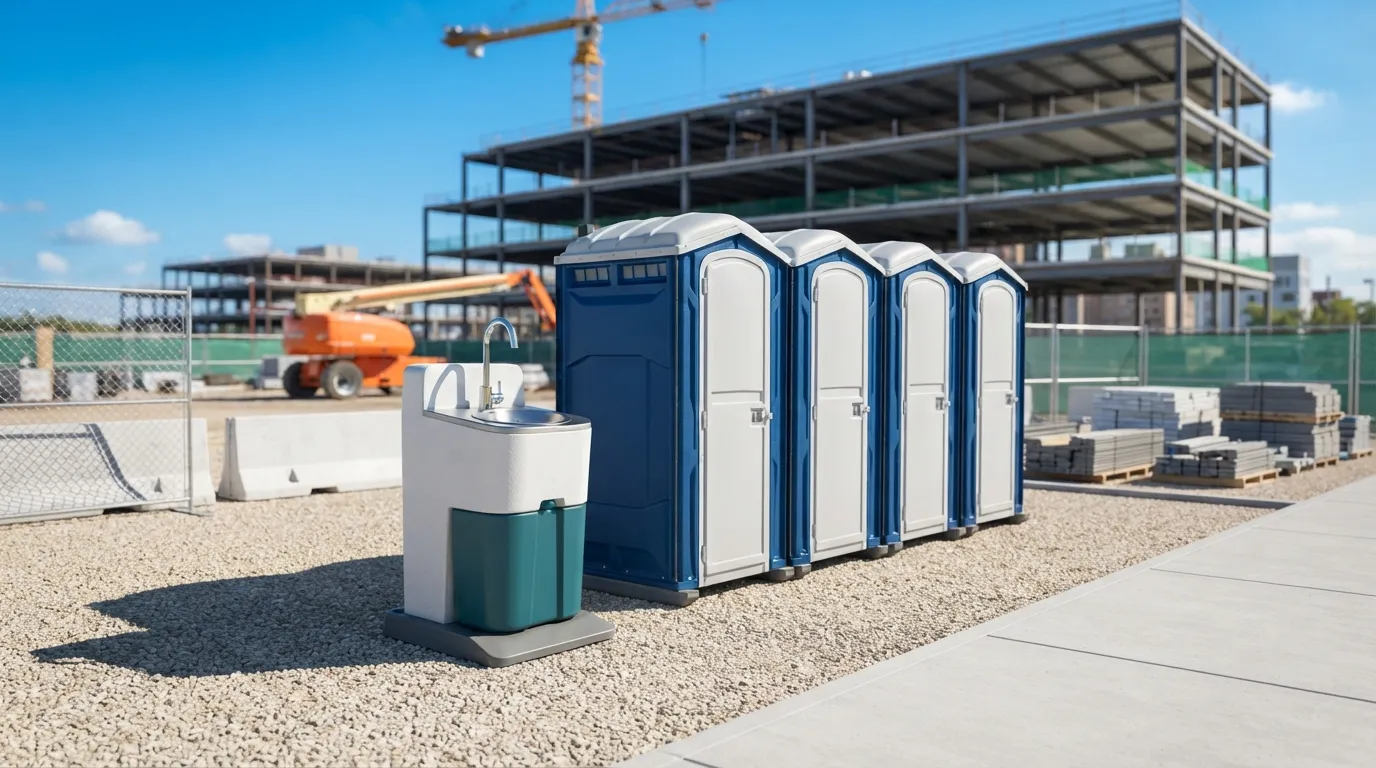
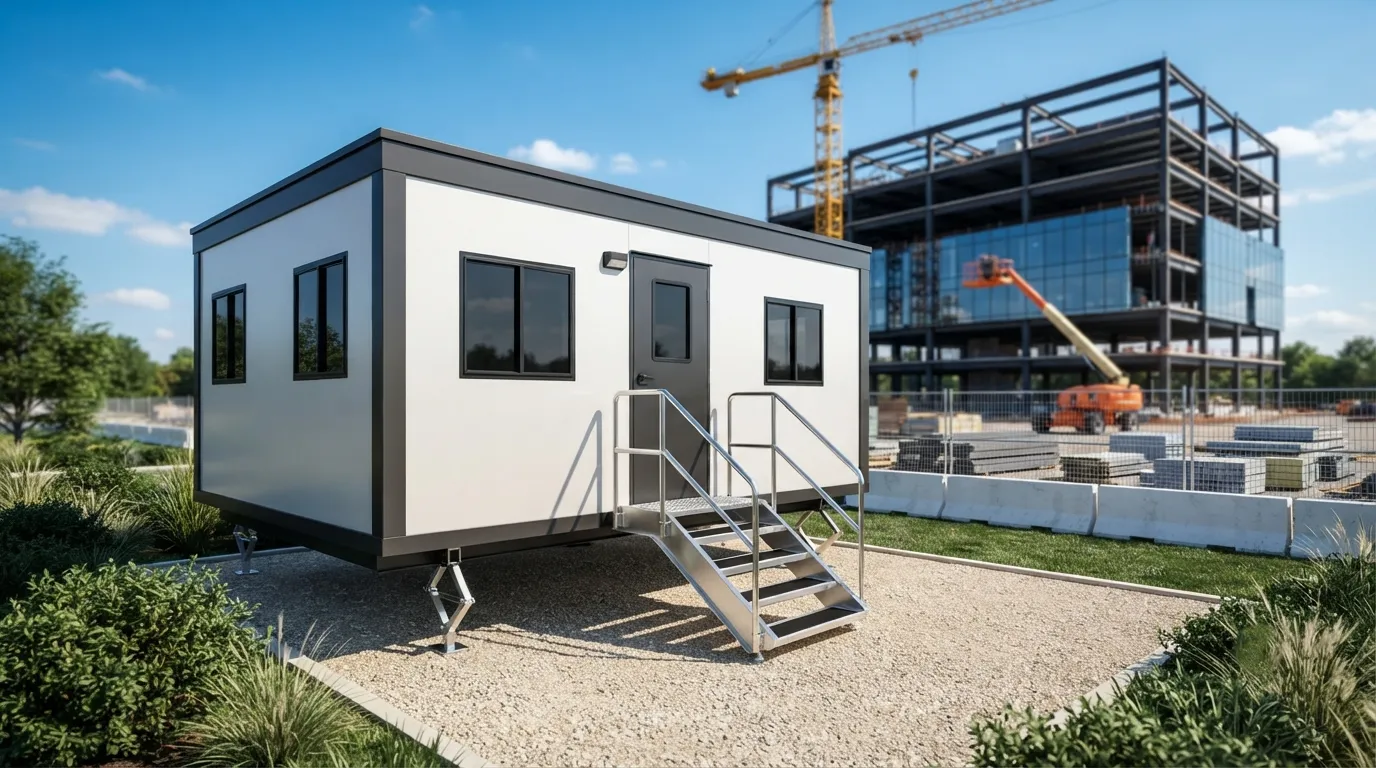
Placement on a farm is different from placement on a construction lot. You need flat, stable ground the delivery truck can actually reach, and during wet months some Santa Maria valley fields turn to mud fast. ADA Standards section 302.1 calls for stable, firm, slip-resistant surfaces, a standard worth applying even where ADA compliance itself is not required, because a unit that tips or sinks helps nobody. Keep units off active irrigation lines and away from chemical storage, and leave enough clearance that a service truck can pump and refill without threading through parked equipment. Our porta potty placement guide covers ground conditions in more detail, and the porta potty rental checklist is worth a run-through before delivery day. If your operation includes migrant housing, ADA Standards section 213.2 requires that at least 5 percent of clustered single-user units be accessible, with a minimum of one, so factor that into camp layout early rather than adding it later. Longer growing seasons often call for a monthly porta potty rental arrangement instead of week-to-week booking, and operations running multiple crews across scattered parcels sometimes add a mobile office trailer rental as a supervisor checkpoint near the restroom cluster, with a nearby storage container rental for tools and supplies. Ranches near Guadalupe, 9.3 miles west of Santa Maria, and Orcutt, 6.7 miles south, both fall inside our normal delivery range without an extended trip charge.
How much does a farm restroom rental cost?
A standard unit runs in the range covered on our porta potty rental cost page, or check porta potty rental per day for short jobs, with monthly agricultural accounts typically priced lower per unit than short daily rentals. Multi-unit farm accounts get a season-long quote rather than a per-visit rate. Ask about bundling handwashing stations into the same invoice.
Does a small farm still need to follow field sanitation rules?
Yes. OSHA 1928.110 applies based on hand-labor headcount, not farm size. A five-acre operation with six pickers still needs a compliant toilet and handwashing setup within a quarter mile walk. Larger operations near Nipomo, 10.3 miles northwest of Santa Maria, scale the same rule up by crew count, and operations further out can check porta potty rental in Nipomo for delivery specifics.
Can units be moved as harvest progresses?
Yes, and most agricultural clients request this. Santa Maria Porta Pros relocates standard units between blocks as picking crews shift, keeping the quarter mile walk requirement satisfied without leaving idle units sitting in a harvested section.
What size tank does a standard unit have?
A standard unit carries a 60 to 70 gallon holding tank, enough for typical crew use between service visits. High-heat stretches or larger crews may need more frequent pumping, which we schedule around your picking calendar.
Do farm restrooms need to be ADA accessible?
Only when units are clustered for a larger crew or camp. ADA Standards section 213.2 requires 5 percent of a cluster to be accessible units, minimum one. Our ADA accessible porta potty option covers that requirement directly, and full background sits on our ADA restroom requirements page.
Next step
Get a delivery date
Tell us the address, the dates and the headcount. We size the order and confirm the route.